







High-torque e-motors and e-axles are outrunning the containment margins that engineers originally designed legacy dyno cells to handle. Facility managers who respond with reactive retrofits absorb repeated downtime and emergency engineering fees. Modular drivetrain test cell containment upgrades offer a capital-efficient path to improve battery manufacturing safety in facilities that test integrated packs, modules and high-output EV powertrains, without requiring a full facility rebuild.
The Torque Surge Behind New EV Test Cell Containment Needs
Climbing Newton-meter ratings and power density may push dyno loads and rotating-mass energy past the design basis of older cells. Oak Ridge National Laboratory researchers modeled burst damage at 20,000 RPM in an outer-rotor motor to guide the selection of housing material and thickness, since larger diameters and higher speeds increase centrifugal loads.
Because temporary patches may leave underlying safety risks unresolved, personnel and equipment remain exposed to catastrophic failure. Each patch should size the cell to meet today's torque rating, so the same decision can be repeated at the next powertrain launch.
Battery Hazards That Shape Containment Design Requirements
Battery manufacturing safety brings a second set of design requirements to any cell that tests packs or modules. The National Highway Traffic Safety Administration (NHTSA) flags EV traction batteries as highly corrosive and warns of the risk of high-voltage shock and fire when they are standing in water.
Engineers generally regard thermal runaway as a separate load case, so designers may size containment for battery events as well as drivetrain failures. NHTSA also states that servicing a traction battery requires specialized training and equipment, so cell procedures may need to reflect that.
Design and Build EV Test Cells With Modular Scalability in Mind
Each time a manufacturer introduces a next-generation powertrain platform, a fixed, one-off configuration forces a rebuild and writes off the capital sunk in the old cell. Modular containment keeps that capital in service.
Four design principles help make the strategy workable as torque specs climb:
- Expandable containment zones: When higher-torque hardware arrives, modular wall sections extend a cell's rated envelope.
- Scalable ventilation capacity: Spare headroom in ducting and fan sizing helps a cell absorb higher exhaust and thermal loads as test programs grow.
- Reconfigurable dyno mounts: Standardized bedplates and mounting interfaces let technicians swap e-axle and e-motor setups without re-engineering the foundation.
- Phased electrical infrastructure: Reserved conduit routes and switchgear space allow power capacity to grow in stages.
Scalable Infrastructure Upgrades May Lower Blast Risk and Capital Costs
Localized reinforcement lets a facility raise safety margins one zone at a time. This move may spare automakers part of the cost of building blast-resistant gigafactories from scratch. Battery engineers already know that EV cells pose high-energy thermal-runaway risks, as can assembly areas where module end-of-line testing happens, and while the cells receive frequent upgrades, such spaces should be logical first candidates for safety enhancements.
Engineered blast walls can reduce peak blast pressure by around 80% to protect critical infrastructure, and their modular design allows redeployment and reuse. A facility might reinforce the shared wall of one dyno bay first and then add panels at the next platform change. That sequence may spread capital spending across several budget cycles.
Robotic Assembly Precision Offers a Model for Containment Upgrades
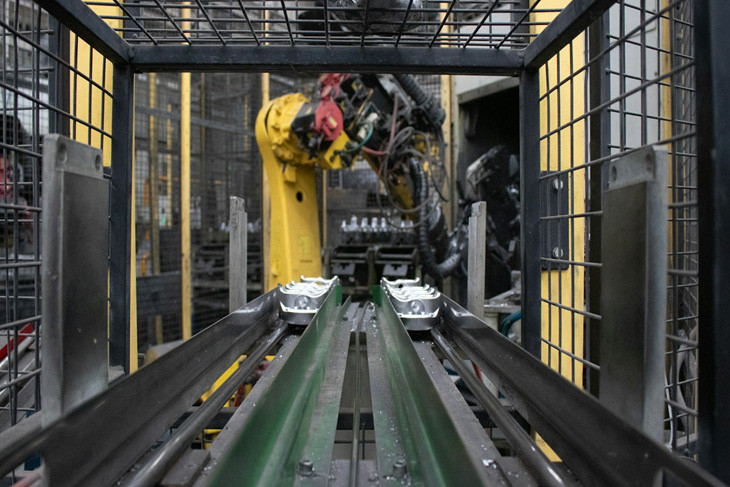
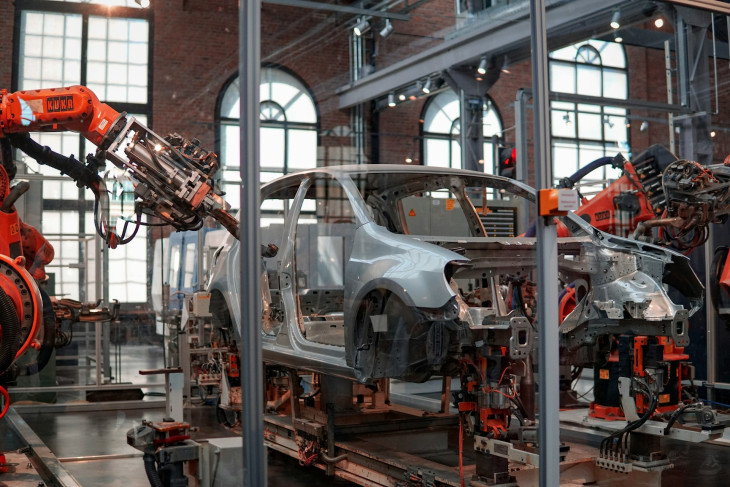
An EV manufacturing overview credits robotic arms with enabling fast, safe and precise assembly processes on the plant floor. Likewise, automation technology requires blast protection, and anchor placement and panel alignment around a live dyno can influence wall performance. Installing modular containment inside an active test cell improves human and machine safety. A written tolerance spec for fit and positioning sets a clear standard for upgrade crews. Inspectors can then verify adherence before the cell returns to service.
Challenges That May Limit EV Test Infrastructure Growth
Teams that design and build EV test cells work under the same cost and policy pressures as the wider industry. Research on advancing EV technology identifies persistent challenges and calls for interdisciplinary collaboration across engineering and energy economics.
Several roadblocks affect EV batteries and test cell planning:
- High battery costs: Expensive packs can strain program budgets and prompt closer review of test infrastructure spending.
- Limited charging infrastructure: Where chargers are scarce, adoption may slow and volume forecasts lose reliability.
- Grid integration challenges: Utility connections for vehicles and charging equipment introduce technical issues that may influence how a facility sizes its electrical supply.
- Inconsistent regional policy: A lack of standardized regional policies leaves facilities uncertain about which requirements a cell must meet in future program years.
Staging battery manufacturing safety upgrades allows a facility to commit capital in smaller steps as budgets and regional rules stabilize. Each stage may also serve as a checkpoint to confirm that the installed containment still matches the torque ratings in the test queue.
Flexible Containment Defines the Next Era of EV Test Cells
Each e-axle generation tends to outrun the containment margin of the cell that tests it, and the next one will likely raise the bar again. Upgrading the drivetrain test cell containment in phases lets safety margins and capital budgets advance together, leaving room for a torque rating that nobody has specified yet.