










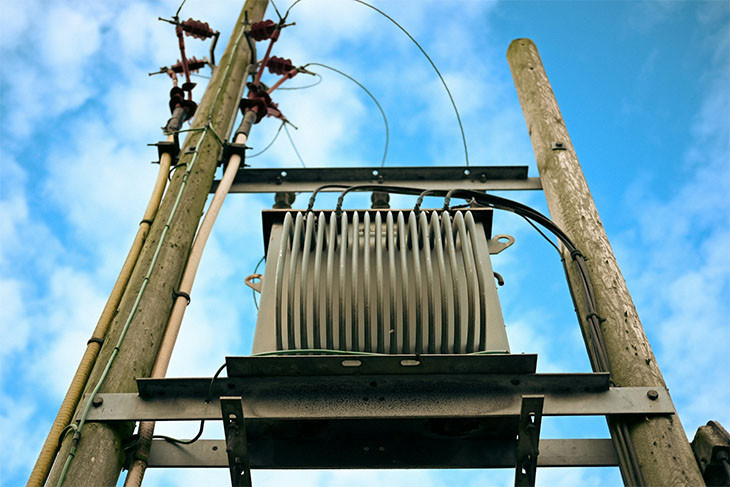
When a transformer fails in an industrial facility, production can halt within minutes. The equipment powering critical operations becomes a single point of failure, exposing significant financial risk. Procurement decisions based primarily on up front cost often overlook factors that determine whether a unit will deliver decades of reliable service or require premature replacement.
Manufacturers that outperform their competitors share measurable advantages in how they design, build and support their equipment. Drawing on insights from ELSCO Transformers, an experienced manufacturer specializing in dry type transformers and custom retrofit solutions, this article examines the qualifications that distinguish reliable transformer manufacturers from the competition.
The Real Cost of Sticking With the Wrong Manufacturer
Equipment failure in an industrial environment creates consequences that extend far beyond the replacement cost of a single transformer. When production stops unexpectedly, facilities face compounding losses, including idle labor, missed delivery commitments and potential damage to temperature-sensitive processes.
The scale of these disruptions becomes clear in sectors where continuous operation is critical. Automotive manufacturing facilities can lose $2.3 million per hour during unplanned downtime.
Aging infrastructure amplifies this vulnerability. Research indicates that approximately 55% of distribution transformers currently operating in the United States are more than 33 years old. Facilities relying on this aging equipment face increasing failure probability at a time when supply constraints have made rapid replacement more difficult.
Manufacturers that combine proven reliability with responsive engineering support help reduce both failure frequency and disruption duration.
5 Qualifications of a Reliable Transformer Manufacturer
Distinguishing between capable suppliers and vendors likely to create long-term problems requires examining how manufacturers perform across several measurable dimensions.
1. Fast, Reliable Lead Times and In-Stock Catalog
Transformer availability has become a determining factor in vendor selection as global supply constraints have reshaped procurement timelines. Between 2020 and 2022, average procurement lead times across all voltage classes rose 443%, transforming what were once routine purchases into multi-month planning exercises.
Manufacturers that maintain production capacity and catalog depth can fulfill orders on schedules that align with actual facility needs. The ability to access in-stock units becomes particularly valuable when unexpected failures force facilities to choose between extended downtime and emergency replacement services.
Buyers should request realistic delivery commitments and verify whether manufacturers maintain adequate capacity for both planned and urgent requirements.
2. Custom Retrofitting and Seamless Integration Capabilities
Physical compatibility determines whether a replacement transformer integrates smoothly or triggers a cascade of secondary modifications. Electrical specifications matter, but so do physical dimensions, termination locations and mounting configurations that must align with existing infrastructure. When these elements don't match, facilities face choices between expensive structural modifications and extended downtime while waiting for custom fabrication.
Manufacturers that provide engineering support for bus work modifications eliminate much of this friction. According to ELSCO Transformers, incompatible units often require skilled electrical contractors and structural changes that can double the effective cost of a replacement project. Custom bus retrofitting converts standard catalog units into plug-and-play solutions that reduce both installation complexity and the labor required to complete the work.
3. Uncompromising Build Quality and Material Standards
Manufacturing quality creates the foundation for long-term reliability, but the relationship isn't always visible during initial vendor evaluation. Premium insulation systems and precision assembly processes don't appear on specification sheets the same way voltage ratings do. The difference becomes apparent years into service life when units built to minimal standards begin experiencing failures that better-constructed equipment avoids.
ELSCO explains that transformer performance depends on how the unit is built, how it's operated and how effectively maintenance programs address emerging issues. Effective evaluation examines build quality alongside delivery reliability, warranty terms and available engineering support.
Compliance with IEEE standards for distribution and power transformers establishes baseline performance expectations, but leading manufacturers exceed these minimums through stricter internal quality protocols. ELSCO reports zero failures attributable to materials, design or workmanship across its product line. This performance level reflects manufacturing approaches that treat quality control as a continuous process rather than a final inspection step.
4. Extended, Comprehensive Warranty Coverage
Warranty duration reveals how much operational risk a manufacturer is willing to accept for its own products. Standard one-year coverage protects buyers only during the initial break-in period, when manufacturing defects typically surface.
Units that fail in year two or three still impose full replacement costs on the facility, even when the failure may reflect design or assembly issues rather than operational factors. While service life often depends on use, regular maintenance and operation practices, well-designed units typically exceed 35 years in industrial applications.
Extended warranty programs shift this risk back to the manufacturer, where it belongs. ELSCO offers five-year coverage on dry type transformers installed indoors under clean, dry conditions, along with three-year protection for remanufactured dry type units.
These terms do more than provide financial protection. They signal that the manufacturer expects its equipment to perform reliably well beyond the minimal coverage period that has become standard across much of the industry.
5. High Energy Efficiency and Regulatory Compliance
Operating costs accumulate steadily over transformer service life, often exceeding the original purchase price by substantial margins. Energy-efficient designs reduce electrical losses that occur during normal operation, creating savings that compound over decades of use. These efficiency improvements also address regulatory requirements that continue to tighten as grid modernization priorities emphasize reduced waste.
The Department of Energy finalized energy efficiency standards for distribution transformers in 2024, establishing new performance minimums across the industry. Manufacturers that anticipated these requirements can deliver compliant equipment immediately, while those still updating their designs may face delays or offer products that barely meet standards.
Facilities purchasing efficient, compliant transformers reduce both their energy costs and the risk of acquiring equipment that may require premature replacement as regulations evolve.
Frequently Asked Questions
Selecting transformer manufacturers raises practical questions about equipment longevity, evaluation criteria and installation considerations that affect total project costs.
What is the most important factor when choosing a transformer manufacturer?
No single qualification determines manufacturer reliability. Facilities that focus exclusively on price often discover the lowest bid came from a supplier unable to deliver on schedule or provide adequate technical support.
How long should a high-quality medium voltage transformer last?
Service life depends on operating conditions and maintenance practices, but well-designed units routinely exceed 35 years in industrial applications. ELSCO Transformers reports many installations that continue operating reliably well beyond this threshold.
Why is custom bus work important for replacement transformers?
Custom bus work adapts the replacement unit to match existing termination points, enabling a quick retrofit. Replacement projects fail most often when new equipment doesn't align physically with existing electrical infrastructure.
Terminations must match the locations where facility wiring currently connects. When they do not, electricians must reroute cables, relocate conduits or modify structural supports to bridge the gap.
Secure Your Facility's Power With the Right Partner
Equipment procurement in industrial environments requires analysis that extends well beyond comparing specification sheets and quoted prices. The manufacturers that deliver reliable long-term performance distinguish themselves through measurable advantages in production capacity, engineering support and willingness to stand behind their products with meaningful warranty coverage.
Facilities that evaluate suppliers across these dimensions reduce both the frequency of unexpected failures and the financial impact when equipment does require replacement.