







Manufacturing schedules are built around machine capacity, labour and material supply.
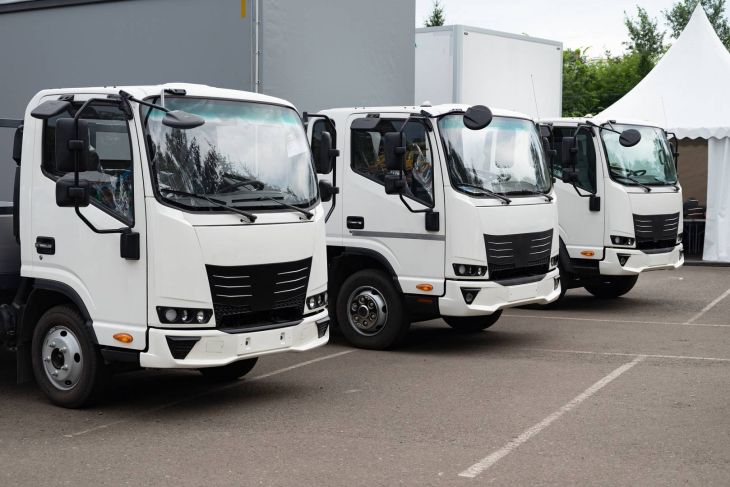
Transport deserves the same attention. A fleet determines how reliably components reach the factory, and treating vehicles as a separate support function can expose production plans to missed collections, uneven workloads and capacity gaps.
Use Telematics to Understand the Working Day
Telematics brings vehicle location and operating information into view. With fleet tracking, managers can see where vehicles are in real time, review journey history and check idle time and driving events such as speeding and hard braking. For manufacturers, this helps compare planned and actual arrival times, understand waiting periods at loading bays and spot where transport schedules clash with factory activity. The data is only useful if someone acts on it, so it works best when it feeds straight into dispatch and production decisions. Managers should also explain monitoring policies clearly and handle personal data responsibly.
Connect Dispatch with the Production Plan
A production schedule creates distinct transport demands. Raw materials may arrive in concentrated batches, while finished products leave at different rates depending on orders and storage space. If dispatch teams receive changes late, vehicles can arrive before goods are ready or miss collection windows.
A shared planning process helps purchasing, production, warehouse and transport teams work from the same priorities. A daily review can flag urgent orders, loading constraints, supplier delays and the vehicles needed. This helps manufacturers handling multiple product lines or serving customers with fixed delivery slots.
Choose Capacity That Can Change
Owning vehicles gives a business control, but creates fixed commitments when demand falls. Hiring or leasing can adjust capacity, although availability, contract terms and total costs need careful assessment. Some manufacturers use external carriers for distant routes or seasonal peaks while keeping time-sensitive movements closer to home.
The decision should reflect each vehicle’s work. Consider load dimensions, weight, access restrictions, delivery frequency and specialist equipment. The profile of Messaggerie del Garda, an Italian logistics firm that grew out of chemical transport, shows how a provider can build its fleet, warehouses and cross-docking hubs around the needs of manufacturing clients such as Henkel.
Build Contingencies Around Real Dependencies
A disruption rarely affects only one journey. A supplier delay, road closure or unavailable vehicle can interrupt linked activities. Map critical routes, identify deliveries with little timing flexibility and agree alternatives. This might mean an approved carrier, a revised loading sequence or temporary storage for incoming materials. Agreeing contacts and rates with backup carriers in advance saves time when something goes wrong at short notice.
The UK Government’s guidance on supply chain resilience encourages businesses to build a full picture of their suppliers, consider vulnerabilities at each stage and regularly review their plans. These principles are relevant internationally, although local transport rules and infrastructure risks differ.
A fleet should be planned as part of the production system. When transport capacity, factory schedules and supplier dependencies are considered together, manufacturers can make realistic delivery commitments and respond to changing demand with fewer interruptions.